

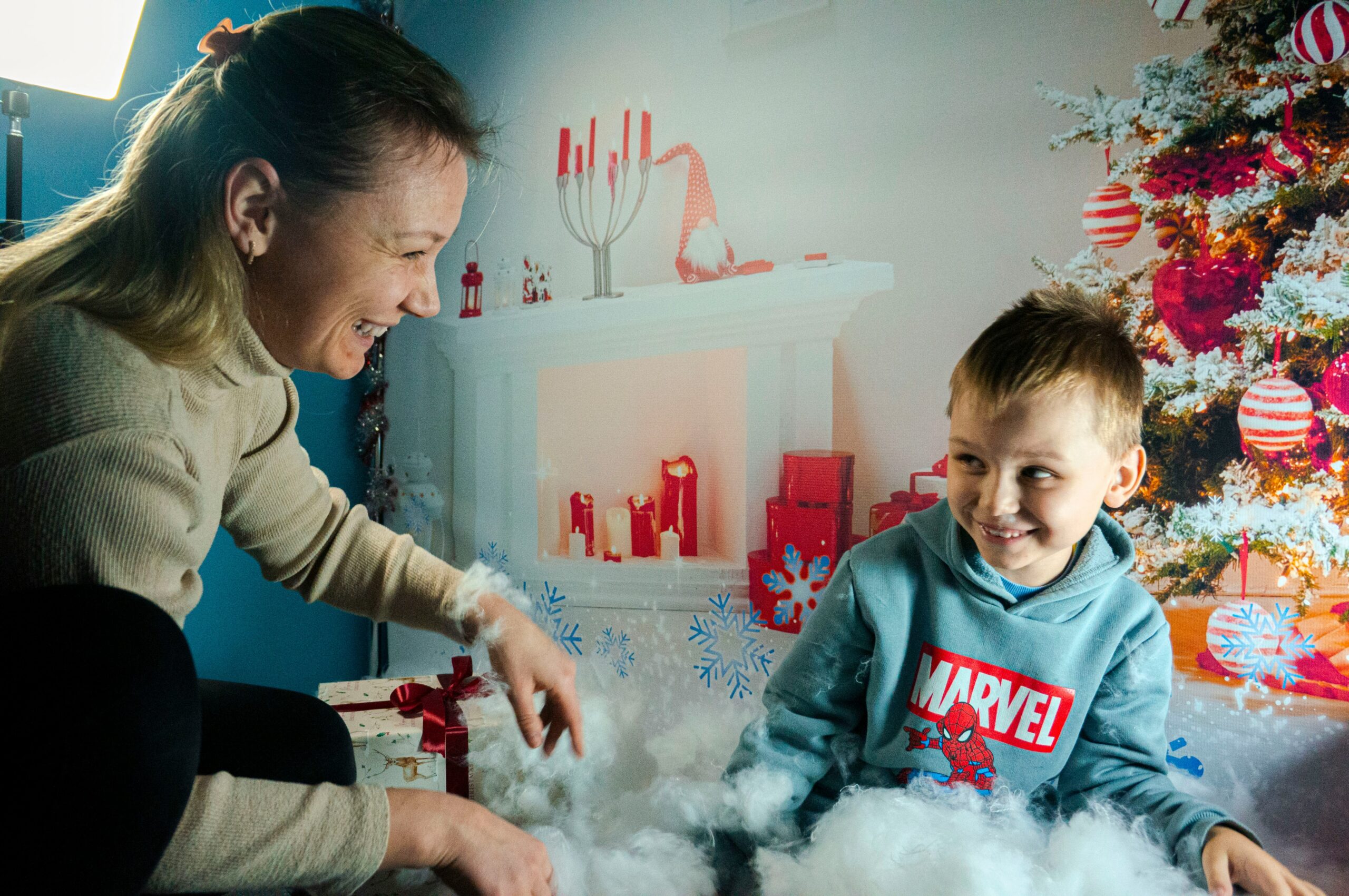
The holiday season is usually envisioned as a time of gathering, where multiple generations come together to share traditions, exchange gifts, and create memories. For many families in Tampa, this is the reality. However, for a significant number of grandparents, the holidays bring a profound sense of loss and exclusion rather than joy. If you have been cut off from your grandchildren or if you are finding your access severely restricted during Thanksgiving, Hanukkah, or Christmas, the pain can be overwhelming. You may feel helpless, watching from the sidelines as your grandchildren grow up without you.
Many grandparents in this situation immediately look to the legal system for a solution. They assume that because they have a biological connection and a history of love and affection, the courts will grant them visitation rights. They often believe that the “best interests of the child” standard will automatically favor maintaining a relationship with a loving grandmother or grandfather. Unfortunately, the legal reality in Florida is far more complex and restrictive than most people realize.
Understanding your standing requires a deep dive into the specific laws that govern family privacy and parental rights in this state. While the situation is difficult, it is not always hopeless, but it does require a strategic approach rather than an emotional one. This guide will explore the hard truths about grandparent visitation, the constitutional hurdles involved, and the alternative pathways that might exist for you. A Tampa custody lawyer can help you navigate these sensitive waters to determine if there is a legal avenue available or if a diplomatic solution is your best course of action.
The Legal Landscape of Grandparent Rights in Florida
Florida is widely considered to have some of the strictest laws in the nation when it comes to grandparent visitation. Unlike some other states that allow courts to grant visitation based purely on what a judge thinks is best for the child, Florida places a massive emphasis on the rights of the parents. This legal philosophy stems from the concept of privacy. The courts have consistently held that parents have a fundamental right to raise their children without interference from the state or extended family, provided the parents are not unfit.
This means that a parent’s decision to exclude a grandparent, even if that decision seems cruel, unfair, or irrational to the outside world, is generally protected by the constitution. The law assumes that fit parents act in the best interests of their children. Therefore, if a fit parent decides that grandma or grandpa should not come to Christmas dinner, the court is extremely hesitant to overrule that parent.
Many grandparents are shocked to learn this. They often come to a consultation expecting to file a simple petition for holiday visitation. They recount stories of how they helped raise the child, how they paid for private school, or how they were the primary babysitters for years. While these facts are emotionally compelling, they often do not meet the high legal threshold required to override a parent’s objection. A Tampa custody lawyer must often be the bearer of this bad news, explaining that a history of involvement does not automatically create a future right to access.
The Distinction Between “Best Interest” and “Harm”
To understand why it is so hard to get a court order for grandparent visitation, you must understand the difference between the “best interest” standard and the “harm” standard. In a divorce between two parents, the court looks at what is in the “best interest” of the child. They compare the parents and try to construct a schedule that maximizes the child’s well being.
However, when a third party like a grandparent sues a parent, the standard shifts dramatically. It is no longer enough to prove that visitation would be good for the child. You must generally prove that denying visitation would cause significant, demonstrable harm to the child. This is a much higher bar. “Harm” in this context usually does not mean sadness or missing the grandparent. It often refers to a developmental or psychological detriment that goes beyond the normal emotional processing of a separation.
Proving this type of harm usually requires expert testimony from psychologists or psychiatrists. It creates a litigation environment that is invasive, expensive, and hostile. Because the burden of proof is so high, many petitions for grandparent visitation are dismissed early in the process. This is why it is crucial to speak with a Tampa custody lawyerbefore filing anything. Filing a lawsuit that is destined to fail can permanently destroy any remaining chance of reconciling with the parents, leaving you with no access at all.
Access Through the “Middle Generation”
Since independent grandparent rights are so limited, the most common way grandparents maintain a relationship with their grandchildren is through their own child. In a typical divorce scenario, the paternal grandparents see the kids when the father has his time-sharing, and the maternal grandparents see the kids when the mother has hers.
Problems arise when your own child—the parent who connects you to the grandchildren—has restricted time or has been alienated themselves. If your son only has the children every other weekend, your time with the grandchildren must come out of his forty-eight hours. If he chooses to spend that time with a new girlfriend or simply staying home alone with the kids, you have no legal mechanism to force him to share his time with you.
The situation becomes even more dire if your child has lost custody entirely due to substance abuse, incarceration, or neglect. If the other parent has 100% of the time-sharing and dislikes you, you are in a very precarious position. The court cannot simply take time away from the sole fit parent to give it to a grandparent. In these cases, your strategy relies heavily on the specific legal status of your own child’s case. If your child is currently working through a dependency case or a modification action, a Tampa custody lawyer can sometimes advise on how to support your child’s reinstatement of rights, which indirectly restores your access.
Including Grandparents in Parenting Plans
While the court rarely forces grandparent visitation, parents are free to agree to it. This is often the most effective way to secure holiday time. During a divorce, the parents are drafting a parenting plan that will govern their lives for years. This is the “golden window” of opportunity.
If you are on good terms with your child who is going through a divorce, encourage them to specifically write you into the parenting plan. Florida parenting plans can include provisions for extended family. For example, the plan can state that “the paternal grandparents shall have the option to pick up the children from school on Wednesdays” or “the children will spend the second week of July with the maternal grandparents.”
Once these provisions are written into a court-ordered parenting plan, they become enforceable. If the other parent agrees to this language during mediation to settle the case, they cannot simply change their mind later. This effectively grants you rights by contract that you could not have achieved by statute. This underscores the importance of the parents’ negotiations. If your child is represented by a Tampa custody lawyer, you might discuss with your child the importance of prioritizing these clauses during their settlement talks.
The “Right of First Refusal” and Grandparents
Another area where grandparents often find a foothold is through the “Right of First Refusal.” This is a common clause in parenting plans that states if a parent is going to be away from the child for a certain period (like more than four hours or overnight), they must offer the time to the other parent before calling a babysitter.
Grandparents often misunderstand this rule. They believe it means that if the parents are busy, the grandparents get the kids. Usually, it is the opposite. The Right of First Refusal prioritizes the other parent, effectively cutting out the grandparents. If your daughter has to work on Christmas Eve, the clause might require her to give the kids to her ex-husband rather than dropping them off at your house.
However, this language can be modified. Parents can agree that the Right of First Refusal only kicks in after a longer period, or they can explicitly list grandparents as designated caregivers who are exempt from the rule. For example, the plan could say, “The father must offer the mother the Right of First Refusal unless the children are left with the paternal grandmother.” This nuance allows you to step in and babysit during the holidays without triggering a violation of the court order.
Mediation: The Best Path to Holiday Access
Given the strictness of the law, litigation is often a losing battle for grandparents. Therefore, the most effective tool in a Tampa custody lawyer’s arsenal for these cases is often mediation or negotiation, not a lawsuit.
If you have been excluded from holiday festivities, the solution often lies in repairing the relationship with the gatekeeper—usually the parent who has the children. This is where the difference between “legal advice” and “practical advice” blurs. A letter from an attorney demanding visitation often results in the parents circling the wagons and cutting off contact completely. It is perceived as a threat.
Instead, a soft approach is often better. A skilled attorney might recommend a proposal for family mediation. This is a voluntary process where a neutral third party helps the family discuss their grievances. In mediation, you are not arguing about constitutional rights; you are talking about feelings, traditions, and the children’s happiness. You can address the root cause of the friction. perhaps the daughter-in-law feels criticized by you, or the son-in-law feels you overstep boundaries.
Resolving these interpersonal conflicts is the key to unlocking the door to the holiday dinner. If a parent feels respected and safe, they are more likely to allow the children to visit. A Tampa custody lawyer can help draft a polite, non-threatening invitation to mediation that emphasizes your desire to heal the family rather than win a court battle.
When One Parent is Deceased or Missing
There is a narrow exception in Florida law that opens the door slightly wider for grandparents: when one parent is deceased, missing, or in a persistent vegetative state. In these tragic circumstances, the state recognizes that the child has lost their connection to half of their lineage.
If your child has passed away, and the surviving parent is denying you access to your grandchildren, you have a much stronger legal standing to petition for visitation. The courts are more willing to intervene to ensure the child maintains a link to the deceased parent’s side of the family. However, even in these cases, it is not a slam dunk. You still must demonstrate that the visitation is in the child’s best interest and that it will not materially harm the parent-child relationship with the surviving parent.
These cases are emotionally devastating. You are grieving the loss of your child while simultaneously fighting to see your grandchild. The surviving parent is often defensive and grieving as well. Navigating the procedural requirements of these petitions requires precision. A Tampa custody lawyer can ensure that your petition is technically perfect and presents the most compelling argument for why maintaining the bond is essential for the child’s recovery and growth.
The Impact of Dependency Court
A completely different legal track applies if the state has removed the children from the parents due to abuse, abandonment, or neglect. These are known as dependency cases. If the Department of Children and Families (DCF) is involved, the rules change.
In dependency cases, the state has a preference for placing children with relatives rather than in foster care with strangers. If your grandchildren have been removed from their home, you have the right to come forward and request to be a placement option. This is often the most direct way grandparents gain custody.
However, time is of the essence in these matters. If you wait too long, the children may bond with a foster family. Furthermore, you must pass background checks and home studies. If you are approved, you not only get the children for the holidays, but you may also become their primary guardians. This path is fraught with its own challenges, as you are dealing with the state bureaucracy and potentially testifying against your own child regarding their fitness to parent.
Grandparents and Adoption
If the parental rights of both parents are terminated, the children become available for adoption. Grandparents generally have first priority in these situations. Adopting your grandchildren grants you all the legal rights of a parent. You become the decision-maker for holidays, school, and medical care.
However, if the children are adopted by a non-relative (for example, if you were unable to take them and they were adopted by a foster family), your rights as a grandparent are usually severed completely. The new adoptive parents have the same privacy rights as biological parents. They can choose to cut off contact, and you would have no legal recourse.
There is a small exception for “post-adoption communication agreements,” but these are difficult to enforce depending on the specific circumstances. It is vital to intervene in the dependency process early before adoption by a stranger occurs. A Tampa custody lawyer who handles dependency matters can guide you on how to intervene and protect your status as a relative caregiver.
Strategic Advice for the Holidays
If you are currently facing a holiday season without your grandchildren and litigation is not an option, you need a strategy for the long game. How you handle this rejection determines your future chances of reconciliation.
Do not just show up. One of the biggest mistakes grandparents make is showing up at the parent’s house unannounced on Christmas morning, demanding to see the kids. This is a disaster. It can lead to the police being called and can result in a trespass warning. It validates the parent’s decision to keep you away.
Send gifts via mail. If you are not allowed to visit, send gifts and cards through the mail. Keep the receipts. Keep copies of the cards. This serves two purposes. First, it attempts to show the child you love them. Second, it creates a paper trail that you tried to maintain contact. If the legal landscape changes in the future, this evidence helps rebut any claim that you abandoned the children.
Keep a journal. Document every interaction. Write down dates you asked to see them and the reasons given for the denial. If the parents are unstable, document any worrying behaviors you observe from a distance. This log can be invaluable if a dependency case ever opens or if the parents divorce and one side needs your testimony.
Respect boundaries. It is counter-intuitive, but sometimes the best way to get visitation is to back off. If the parents feel you are overbearing or critical, constantly calling and demanding time will only make them build the wall higher. Sending a calm note saying, “I understand you want space. I love you and the kids, and I am here whenever you are ready,” can sometimes disarm the conflict better than a lawyer’s letter.
The Role of Technology
In the modern era, “visitation” doesn’t always have to mean physical presence. If the parents are reluctant to have you in the house for Christmas dinner, would they agree to a fifteen-minute video call?
Courts are increasingly open to ordering electronic communication. It is less intrusive than physical visitation. Requesting a scheduled FaceTime call to read a bedtime story or open a present is a smaller ask than a weekend visit. It can serve as a stepping stone. If the video calls go well and the parents see that you are not undermining them or causing drama, they may be more open to physical visits in the future.
When proposing this to the parents, present it as a low-pressure option. “I know you are busy on Christmas Day, but could we do a Zoom call on Christmas Eve for ten minutes?” It is hard for a reasonable parent to refuse such a minor request without looking unreasonable.
Navigating Multi-State Families
Tampa is a hub for transplants. Many families have grandparents in New York or the Midwest while the grandkids are in Florida. Or perhaps the grandkids have been moved out of Florida to another state.
Jurisdiction issues are complex. Generally, the state where the child has lived for the last six months makes the decisions. If your grandchildren live in Tampa, Florida law applies, regardless of where you live. You cannot file a case in Ohio to get visitation with a child in Florida just because Ohio’s laws might be friendlier to grandparents. You must fight the battle in the Florida courts.
This makes retaining a local Tampa custody lawyer essential. An out-of-state attorney cannot help you in Hillsborough County courts unless they are licensed here. You need someone who knows the local judges and the specific nuances of Florida’s privacy laws.
Financial Support and Leverage
Grandparents often provide significant financial support to their children and grandchildren. You might be paying for private school, dance lessons, or even the mortgage. When visitation is denied, the instinct is to cut off the money.
This is a leverage point, but it must be used carefully. Financial support does not buy legal rights. The court will not grant you custody just because you pay for tuition. However, the withdrawal of support can sometimes bring parents to the negotiating table. Conversely, it can also enrage them and sever the relationship permanently.
From a legal perspective, if you have been acting as a “psychological parent”—meaning you have lived with the child and functioned as a parent for a long period—you might have slightly more standing in certain very limited contexts, specifically if the biological parents essentially ceded their responsibility to you. This is known as “Chapter 751” temporary custody by an extended family member. This is different from simple visitation. It is used when the parents are unable to care for the child. If you are funding the child’s life because the parents cannot, you should speak to a Tampa custody lawyer about whether a Chapter 751 petition is appropriate.
The Emotional Toll of Exclusion
The legal analysis often ignores the heartbreak involved. Being a grandparent is a unique developmental stage in life. Being denied that role feels like a bereavement. It is important to acknowledge the grief.
While you are navigating the legal or diplomatic channels, ensure you have your own support system. Do not burden the grandchildren with your sadness if you do speak to them. Telling a child, “I am so sad your mommy won’t let me see you,” is harmful to the child. It places a guilt burden on them that they cannot carry. It also gives the parents ammunition to claim you are alienating the child against them.
Keep your interactions with the grandchildren positive and light. Let the heavy lifting of the conflict happen between the adults or through the attorneys.
Why You Need a Local Attorney
The statutes regarding grandparent rights are state-specific, but the application of those laws is often judge-specific. In Hillsborough County, judges have wide discretion in how they interpret “harm” and “best interests” within the bounds of the law.
A local attorney knows the tendencies of the bench. They know which judges might be more sympathetic to a grandparent’s plea in a dependency context and which ones are strict constitutionalists regarding parental privacy. This local knowledge prevents you from wasting money on legal theories that will not fly in a Tampa courtroom.
Furthermore, a Tampa custody lawyer can act as a buffer. The relationship between you and your child (the parent) is likely damaged. Having a professional handle the communication can prevent the emotional volatility that leads to permanent estrangement.
Moving Forward
The holidays should be about love, not litigation. However, when you are cut off from the people you love most, you have to fight for your family. The fight in Florida is uphill, there is no denying that. The laws are designed to protect parents, not grandparents.
But “uphill” does not mean “impossible.” Whether through finding a loophole in a tragic situation, intervening in a dependency case, or using skilled mediation to broker a peace treaty, there are paths forward. It requires putting aside the ego, controlling the emotions, and looking at the situation through a cold, legal lens.
If you are facing a holiday season without your grandchildren, take the time to consult with a professional. Understand your rights—or the lack thereof—so you can make an informed decision about how to proceed. Sometimes, the best gift you can give your grandchildren is the patience and strategy required to ensure you can be part of their lives for the long term, not just for one Christmas.
Frequently Asked Questions
Can I sue for visitation if I have not seen my grandkids in a year? In Florida, simply not seeing the grandchildren is generally not enough to sue for visitation due to strong parental privacy laws. You usually need to prove that the lack of visitation is causing demonstrable harm to the child, which is a very high standard to meet.
Does paying for private school give me visitation rights? No, providing financial support does not automatically grant you legal rights to time-sharing. While it may give you leverage in personal negotiations, the court does not trade money for custody access.
What if my son wants me to see the kids but his ex-wife refuses? If your son has court-ordered time-sharing, he can allow you to see the children during his time. However, you cannot independently force the ex-wife to give you time during her scheduled days unless it is written into their parenting plan.
Can I get custody if the parents are on drugs? Yes, if the children are in danger due to substance abuse, you can file a petition for temporary custody by an extended family member (Chapter 751) or intervene in a state dependency case. This is different from simple visitation and is based on the parents’ unfitness.
Do I have rights if my child (the parent) has passed away? Yes, Florida law provides a specific pathway for grandparent visitation if one parent is deceased. You still must show that visitation is in the child’s best interest and will not harm the relationship with the surviving parent.
Can I use mediation to get holiday time? Yes, mediation is often the most successful route for grandparents. It is a voluntary process where you can work out an agreement with the parents without a judge forcing a ruling, allowing for more flexible and creative solutions.
Does a “Right of First Refusal” include grandparents? Not automatically. Standard language usually requires the parent to offer the time to the other parent first. However, the parents can agree to modify the language to list grandparents as eligible caregivers who are exempt from this requirement.
Can I move the court case to my state if the kids live in Tampa? No, jurisdiction is determined by where the children reside. If the children have lived in Tampa for at least six months, any legal action regarding custody or visitation must be filed in Hillsborough County courts.
What happens if I adopt my grandchildren? If you legally adopt your grandchildren, you become their parent in the eyes of the law. You gain full decision-making authority and custody rights, and the biological parents’ rights are terminated.
Is it worth hiring a Tampa custody lawyer for grandparent rights? Yes, because the law is so strict and complex, you need an honest assessment of whether you have a viable case. A lawyer can save you money by advising against unwinnable litigation and steering you toward mediation or other strategic alternatives.
The McKinney Law Group: Steady Guidance from a Tampa Custody Lawyer
Child-focused planning requires structure, clarity, and a strong understanding of Florida law. We help parents navigate custody matters with confidence.
Call 813-428-3400 to begin.
Written by Damien McKinney, Founding Partner

Damien McKinney is the Founding Partner of The McKinney Law Group, bringing nearly two decades of experience to complex marital and family law matters. He is licensed in both Florida and North Carolina and has been repeatedly recognized as a Rising Star by Super Lawyers.